Wildlife/Whale SpottingTour
Wildlife/Whale Spotting Tour in Ketchikan
Most cruise passengers step off the ship with four to six hours in port. That's the window. Not unlimited. Not flexible.
This tour is built around that reality.
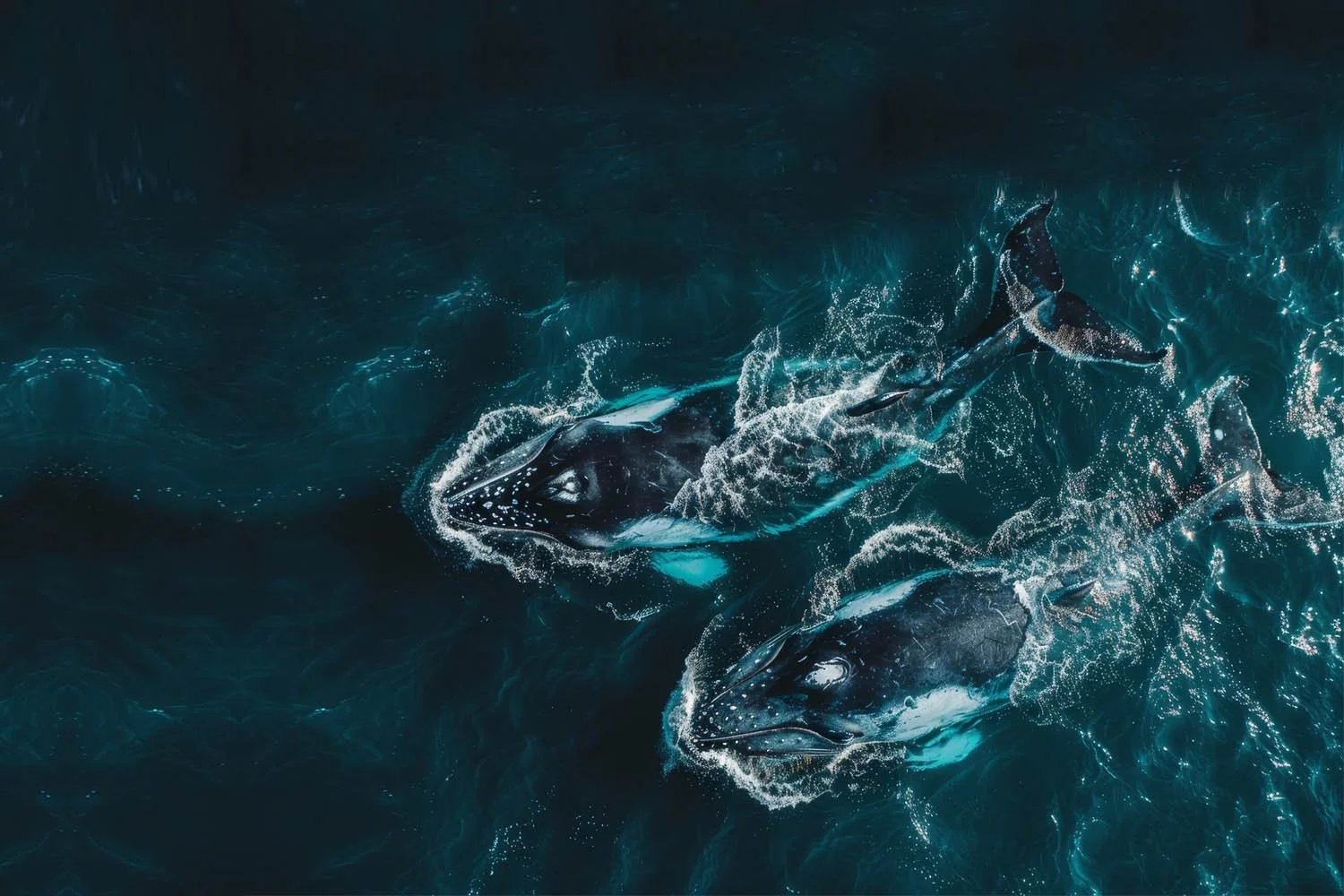
We run small-group whale watching tours through the protected waterways of the Inside Passage — capped at six guests, guided by a local captain, and scheduled specifically around cruise ship arrivals and departures. You'll travel through sheltered channels where humpback whales, orca, sea lions, bald eagles, and other marine wildlife move through Southeast Alaska's summer feeding corridors.
Wildlife sightings are never guaranteed. We'll say that plainly, and we'll say it more than once.
What we do offer is thoughtful routing, honest communication, and a calm experience on the water guided by someone who knows these routes well.
Why Whale Watching in Ketchikan Is Worth Your Time
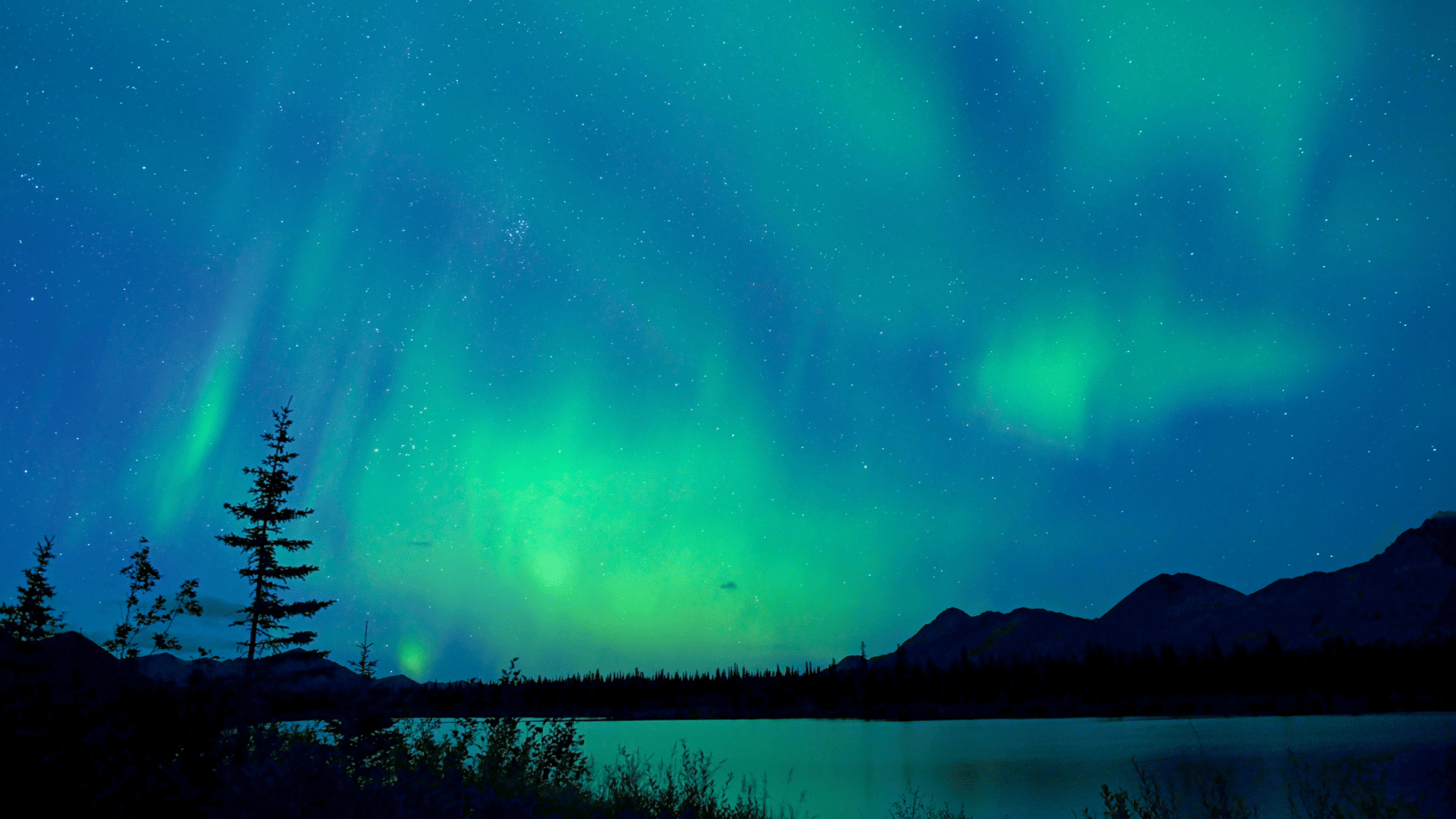
Ketchikan sits inside the Inside Passage — a network of protected island channels that creates a different kind of whale watching environment than open-ocean tours.
Conditions here are typically more stable. Wildlife patterns track closely with tides, salmon movement, and seasonal feeding behavior. From late spring through early fall, humpback whales return to these nutrient-rich waters after migrating north from Hawaii. By midsummer, the marine corridor is at its most active.
What you're watching isn't just a single animal surfacing. It's an ecosystem — whales feeding, eagles tracking salmon, sea lions resting on rocky haul-outs, porpoise moving along current lines. That's what makes time on this water interesting even on quieter days.
Part of what drives that activity is the physical character of the waterways themselves. Tidal exchanges through Tongass Narrows and the surrounding channels move cold, nutrient-dense water to the surface on a predictable cycle. That upwelling supports dense concentrations of herring and small schooling fish — which is precisely why humpbacks return here each summer and feed cooperatively in groups. They're not here by accident. The food supply is reliable, and the geography concentrates it. Understanding that helps explain why these waters produce consistent wildlife activity over a sustained season rather than occasional isolated sightings.
What You May See on the Water
Wildlife is variable. Season, tide, and simple chance all play a role. Here's what commonly appears during summer departures.
-
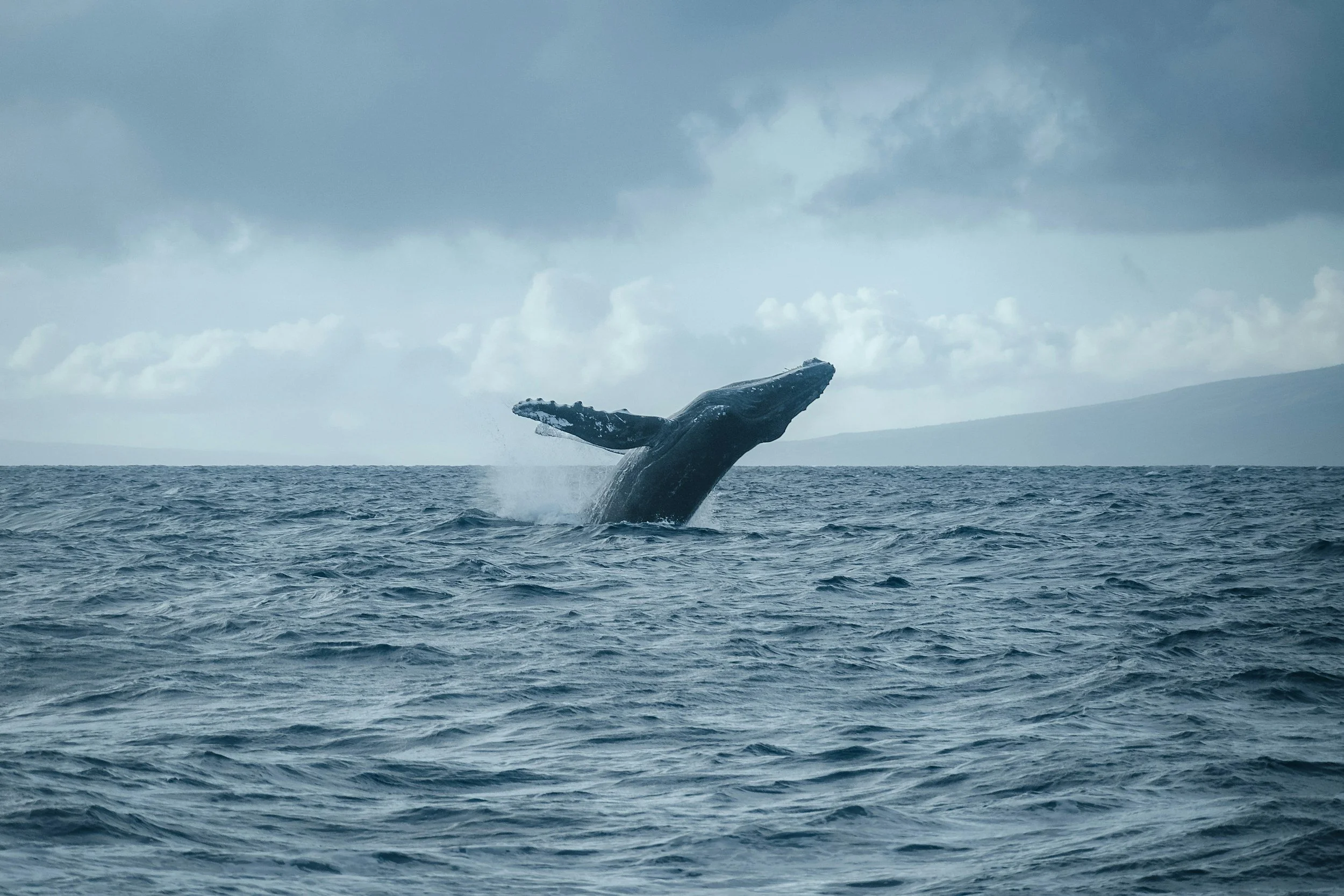
Humpback Whales
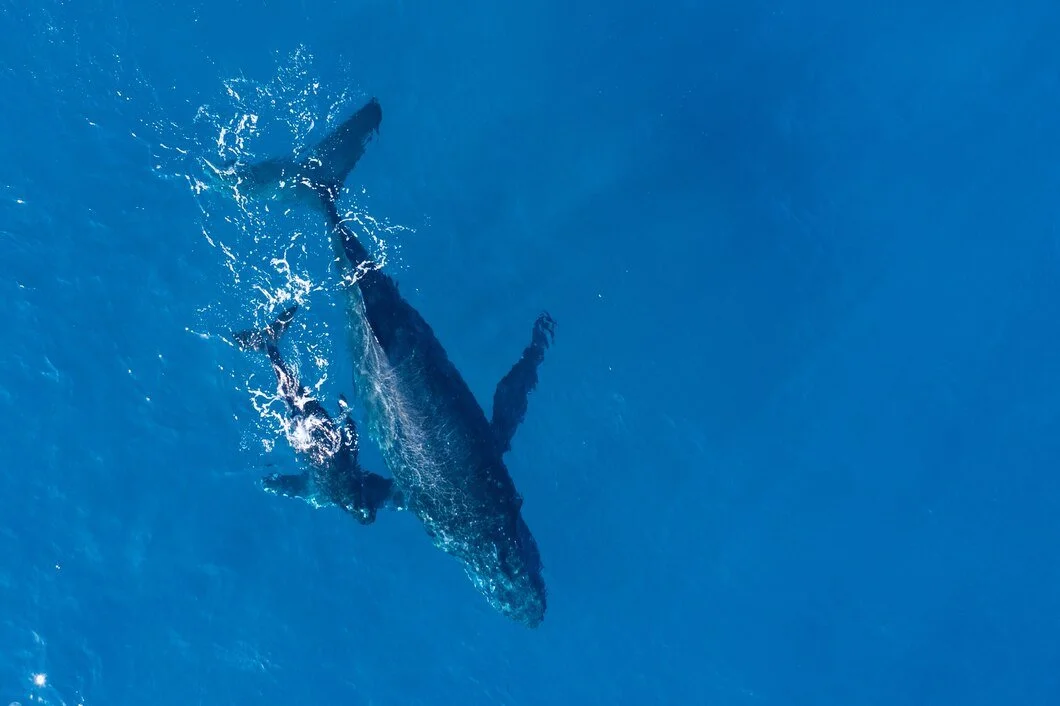
The primary focus of most outings. Humpbacks feed heavily through summer and into early fall. You may see tail flukes as they dive, surface blows at distance, or cooperative feeding behavior when conditions are active. Some departures are busy. Others are quieter. That's the honest answer.
-
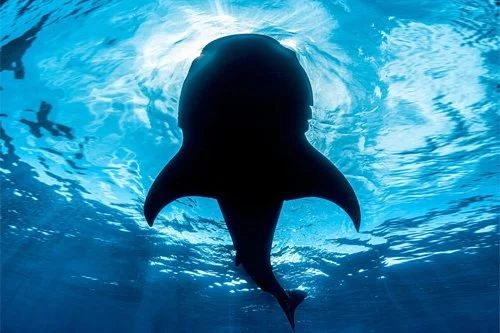
Orca
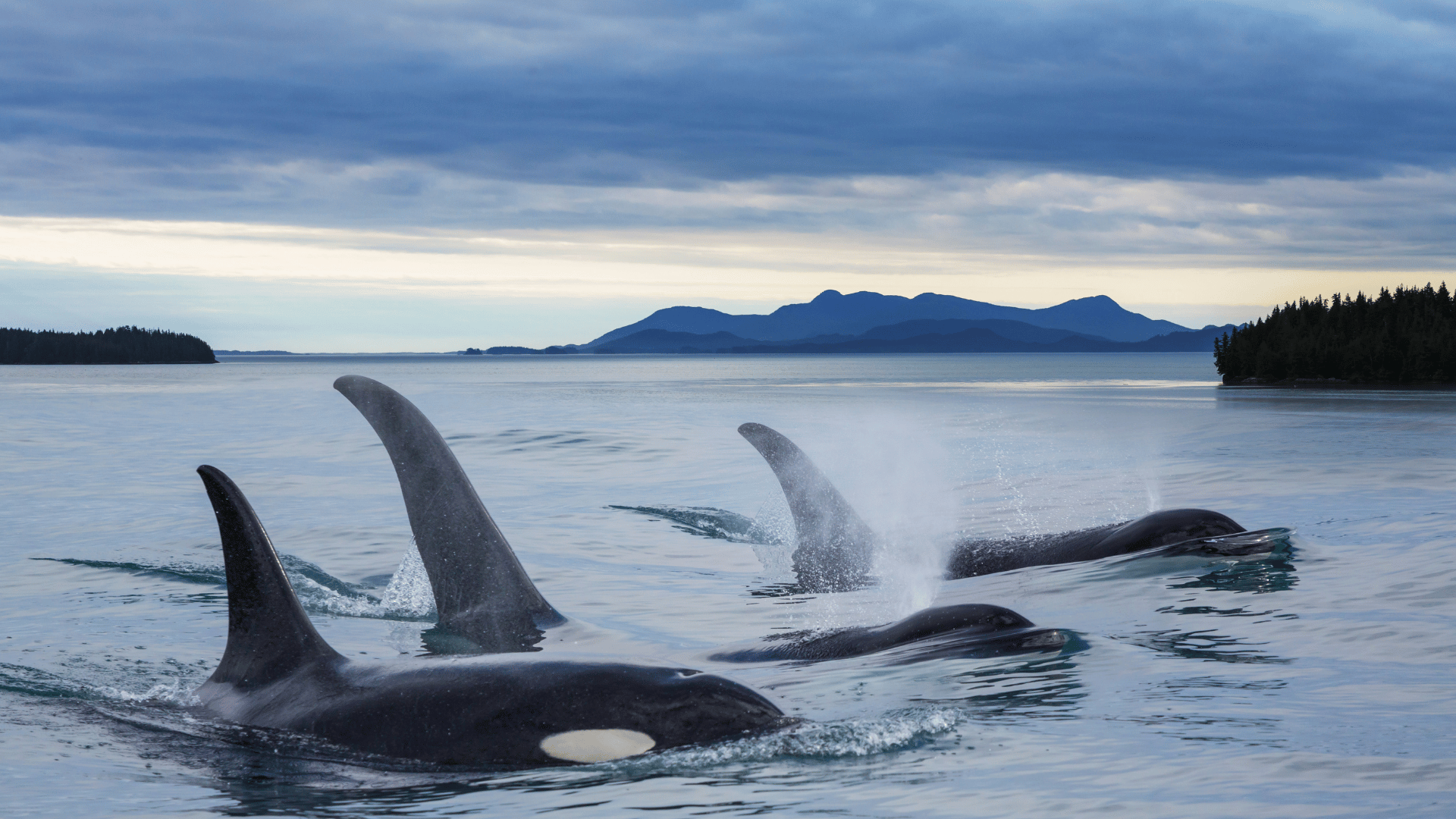
Less predictable than humpbacks, but encountered periodically. Resident pods and transient orca both move through Southeast Alaska. Sightings aren't daily - but when they happen, they're unmistakable.
-
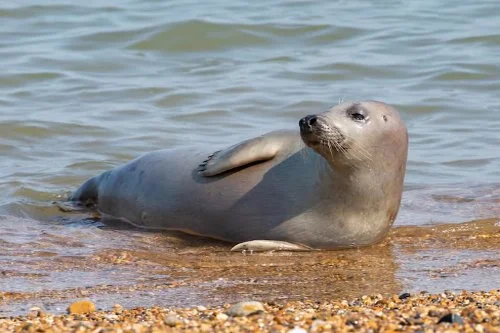
Steller Sea Lions
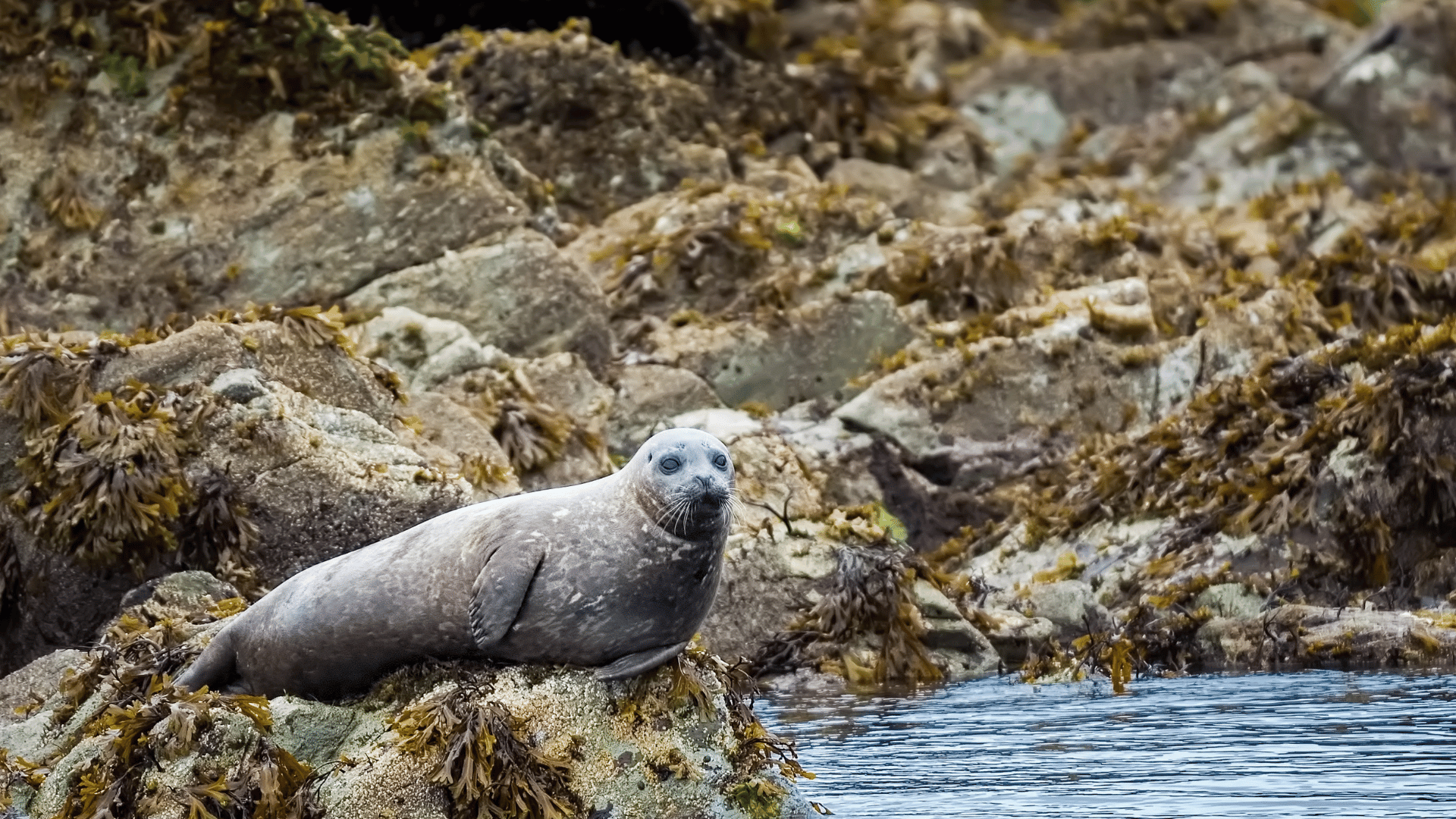
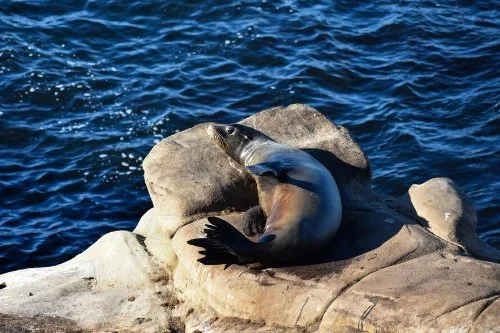
Often visible on navigational buoys and rocky outcroppings. Large, vocal, and reliably present through the season.
-
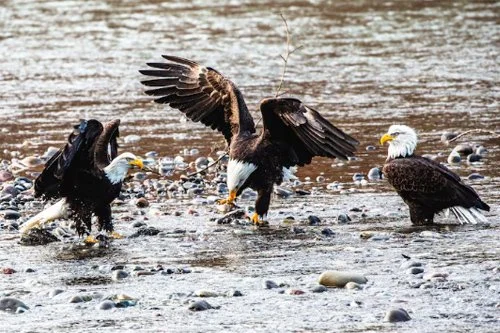
Bald Eagles
Common along shorelines and perched in tall spruce. Ketchikan has one of the highest concentrations of bald eagles in Alaska. After an hour here, most guests stop being surprised by them.
-
Harbor Porpoise
Smaller and faster than whales. They surface briefly and move quickly along current lines — easy to miss if you're not watching.
-
Salmon Activity
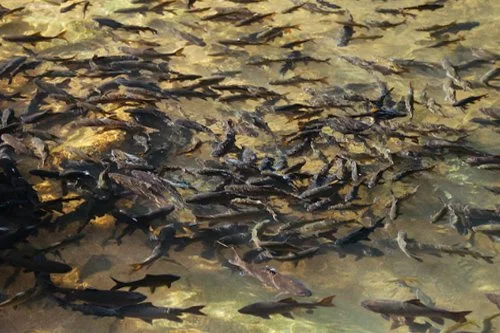
By mid-to-late summer, salmon runs intensify across the region. That movement shapes everything else — whale feeding patterns, bird activity, the general pace of life on the water.
Even on days when the larger wildlife stays elusive, there's usually something happening.
Our Small-Group Approach
Most whale watching vessels in Ketchikan carry 20, 30, sometimes more than 50 passengers. We cap ours at 6.
That's a deliberate choice, not a marketing angle.
Smaller groups allow more flexibility in positioning. If wildlife shifts, a smaller vessel can adjust in ways larger tour boats can't. There's no line at the rail. No overhead narration competing with what's actually in front of you. No crowds navigating for a clear sightline.
Your captain and your boat guide provide direct narration throughout — not a recorded script.
Vessel & Safety Information
Safety is foundational to how we operate, not a box we check.
Our vessel is:
Coast Guard compliant
Fully licensed and insured
Operated by an experienced local captain
Equipped with required life-saving equipment
Onboard amenities include:
Covered, heated cabin
Onboard restroom
360-degree exterior viewing access
Ketchikan is one of the rainiest cities in Alaska. Weather shifts quickly and wind on the water is real even on clear days. The heated cabin means guests are comfortable regardless of conditions — and free to move between cabin and exterior viewing areas as wildlife warrants.
Built Around Cruise Ship Schedules
This is the part that matters most for cruise passengers.
Vague return windows don't work when your ship leaves at a fixed time. Every departure we run is scheduled around Ketchikan cruise arrivals and departures. Typical duration is 3.5 hours — enough time on the water to be meaningful, with buffer built in for return.
We guarantee your return to dock.
If your itinerary shifts, we communicate directly. If port timing changes, we adjust. When you book with us, there's no platform in between — you're dealing with the operator.
For guests who've had unclear experiences booking through aggregators, that tends to matter.

What to Wear
Even in summer, conditions on the water feel cooler than conditions on land. Wind exposure varies depending on where the wildlife takes us.
Practical recommendations:
Layered clothing
A waterproof outer layer (Ketchikan is one of the rainiest cities in Alaska — even clear mornings can shift)
Closed-toe shoes with grip
Hat and light gloves in May and June
Sunglasses for glare on calm water
When to Go
Our season runs April through October.
April – May
Early season. Humpbacks are establishing feeding patterns. Sightings increase steadily as the month progresses.
June – August
Peak activity. Active salmon runs, strong feeding behavior, and generally the most consistent window for whale encounters.
September - October
Still productive. Fewer vessels on the water. Weather becomes more variable but the season remains worth considering.

Are Whale Sightings Guaranteed?
No. And we want to be clear about that.
Whales are wild animals moving through large territories. Sightings during peak season are common — but they are not guaranteed on any responsible tour. Any operator who tells you otherwise is overpromising.
What we can promise is thoughtful routing based on local knowledge, awareness of tide and feeding patterns, access to active wildlife corridors, and a complete marine experience beyond whales. There is almost always something on the water. But "almost always" isn't a guarantee, and we won't pretend otherwise.
Frequently Asked Questions
-
Both offer meaningful seasonal humpback activity. Ketchikan typically operates with fewer vessels in close proximity, and here tends to feel less congested. The choice usually comes down to your itinerary.
-
Yes, Every departure is scheduled around cruise arrivals and departures. We guarantee return to ship.
-
Twelve guests maximum.
-
Most of our routes run through sheltered Inside Passage channels. Conditions vary, but these waters are generally more protected than open-ocean environments.
-
Yes, all guests should be comfortable aboard a our vessel for up to four hours.
-
We don't offer refunds for wildlife variability. Whale behavior is unpredictable, and the tour includes comprehensive marine sightseeing beyond whales. That said, we take routing seriously — our goal is always to put you in the right place at the right time.
-
No. We don’t offer photos after the tour so please take as many photos as possible while enjoying the tour.
If You're Still Deciding
3.5 hours on the water, in a group of six, with a captain who runs these routes daily — that's a reasonable way to understand why whales return to Southeast Alaska every summer.
We don't oversell it. We don't need to.
If you're looking for a small-group whale watching tour in Ketchikan built around cruise scheduling and run by people who actually know these waters, we'd be glad to have you aboard.
If your ship is docking in Ketchikan and you're considering whale watching, we recommend reserving in advance. Our 12 seats per departure tend to fill quickly during peak summer months.