Best Time of Year for Whale Watching in Ketchikan
Humpbacks don't follow a cruise itinerary. They follow food.
That's the most useful thing to know going into a whale watching trip in Ketchikan. The whales show up when the herring and salmon do, they leave when the food disappears, and the season has a rhythm that's worth understanding before you book.
This guide walks through that rhythm month by month, with honest notes on what you can expect at each point in the season.
Whale Watching Season Overview
Whale watching in Ketchikan runs roughly from May through September, with the strongest sightings stacked in the middle of summer.
Humpback whales spend their winters in Hawaii and Mexico, then migrate up the Pacific coast each spring to feed in the rich waters of Southeast Alaska. By the time cruise season hits its stride in May and June, the first whales are settling into local feeding grounds. By July, the population is fully here. By late September, they start drifting back south.
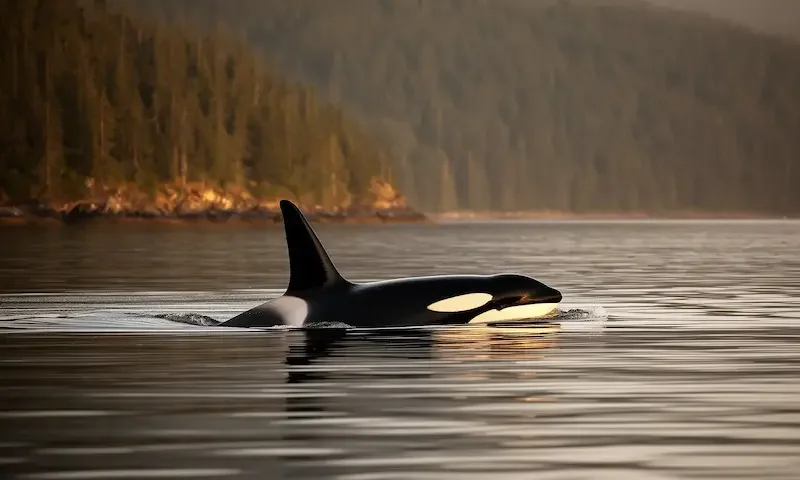
Orcas operate differently. Some pods are residents that stay in regional waters year-round; others are transients passing through. Either way, sightings are less predictable than humpbacks but still happen regularly through the season.
Month-by-Month Breakdown
May–June
The early arrivals window.
Humpbacks are showing up but not yet at peak density. You'll see them — just fewer, and often with more searching involved. Cooler weather, longer daylight stretching toward solstice, and noticeably thinner crowds make these months a worthwhile choice for travelers who'd rather trade peak sightings for a quieter experience.
Wildlife around the trip is still strong. Eagles are abundant. Seals and sea lions are around in numbers. The Tongass rainforest is at its lush spring best.
If your sailing falls in May or early June, expect a good day on the water with a real chance of whale sightings, just not the guaranteed-feeling abundance of mid-summer.
July–August
Peak season. This is when most local captains will tell you to come if whales are the priority.
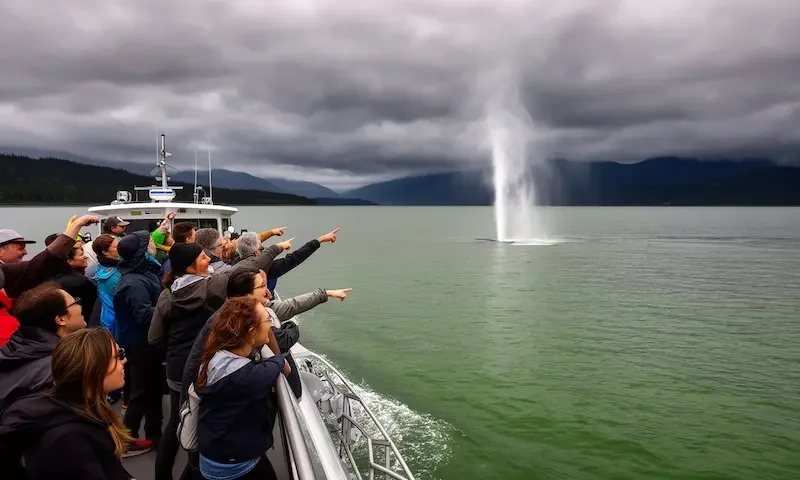
The pink salmon run hits Ketchikan in July, drawing humpbacks into the channels in serious numbers. Bubble-net feeding behavior — where whales work cooperatively to corral baitfish — becomes a real possibility. Spouts, fluking dives, and breaches are common enough that most trips return with multiple sightings.
August often gets called the single best whale watching month of the season. Weather tends toward cooperative, the salmon runs are still going strong, and orca activity tends to climb as well.
Trade-off: this is also peak cruise season. More ships, more visitors, and more demand for tour spots. Booking ahead matters more in these months than at any other time of year.
September
The shoulder window with a lot going for it.
Humpback activity is still strong through most of September. The salmon are still running, the whales are still feeding, and they haven't started their southern migration yet. Sightings rates remain high.
What changes is the rest of the experience. Fewer ships in port. Smaller crowds in town. Lower angles of light that make for some of the best photo conditions of the year. Black bears active along the salmon streams before hibernation. The forest starts taking on autumn color.
Weather is more variable in September — more chance of rain, more chance of wind — but locals will tell you it's their favorite month for a reason.
Best Time of Day to See Whales
Within any given day, whale activity isn't constant.
Mornings are generally considered prime, especially mid-morning around 9–11 a.m. Whales tend to be actively feeding, the water is often calmer, and the light is good for both viewing and photography. Most cruise-friendly tour departures fall in this window.
Late afternoon trips can also be productive, particularly when there's been morning cloud cover that breaks up later. Mid-day in bright sun isn't always the strongest window — whales sometimes go quieter when light penetrates deep into the water.
Tide matters too. A flooding tide pushes baitfish into the channels and often brings whales with them. A captain who knows the local tide tables is positioning the boat at the right place at the right time, which is part of why local knowledge matters more than any specific time slot on the clock.
What Types of Whales You'll See
Two main species, with very different personalities.
Humpback whales. The most commonly sighted. Adults reach 40–50 feet and weigh up to 40 tons. They're known for their tail flukes — each whale has a unique pattern, the way a fingerprint identifies a person — and their behaviors include breaching (jumping clear of the water), fluking (showing the tail before a deep dive), spouting, and occasionally bubble-net feeding. Most Ketchikan whale sightings are humpbacks.
Orcas (killer whales). Apex predators with pod structures and strong family bonds. Pacific Northwest orcas come in resident and transient varieties, each with different diets and ranges. Sightings are less predictable than humpbacks but happen throughout the season. When they do appear, they tend to be unforgettable — orcas travel in pods and surface in coordinated patterns that are unlike anything humpbacks do.
You may also see Dall's porpoises (often mistaken for small orcas because of their black-and-white coloring) and harbor porpoises, which are smaller, quieter, and less showy.
Ocean Tours vs Dedicated Whale Tours
Both will give you a chance at whales. They differ in focus.
A general ocean tour looks for everything — eagles, seals, sea lions, scenery, and yes, whales. Captains will absolutely turn the boat toward a humpback when one appears, and they often do. But the trip isn't built around hunting for them specifically.
A dedicated whale watching tour is designed around the species. Captains spend more time tracking known feeding areas, listening for radio reports from other boats, and prioritizing whale sightings over other stops. If whales are why you booked, this is the format that maximizes your odds.
Our whale watching tour is built specifically around humpbacks and orcas. Our broader Alaska Ocean Tour covers the full wildlife range with whales as part of the picture.
Plan Your Tour Around Peak Times
If you have flexibility on when to cruise, mid-July through early September is the strongest window for whales. If your sailing is locked in, every month of the season gives you a real chance — just calibrate your expectations to the calendar.
When you book, send your sailing date along with your ship's name. We can tell you straight what whale activity has been like in the days leading up to your trip and which departure time gives you the best shot.
Book Your Whale Watching Tour →